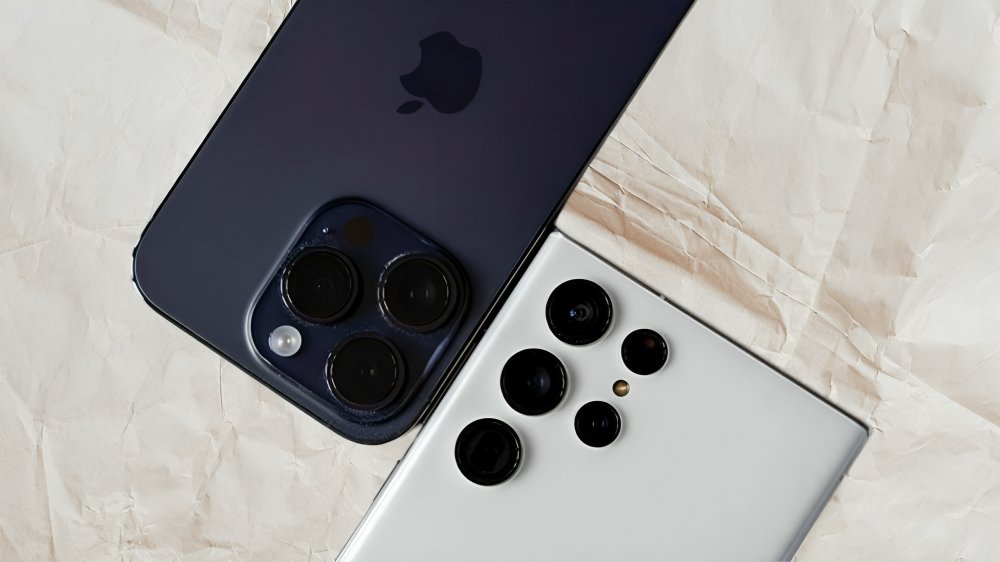
The debate around iPhone vs Android has been going on for more than a decade, and even in 2026 it remains one of the most searched topics in the smartphone industry. Whether you are buying your first premium smartphone or planning to upgrade from your current device, choosing between Apple’s iPhone ecosystem and Android phones can be confusing.
Many users ask questions like which is better iPhone or Android, is iPhone better than Android, and what practical differences exist in everyday usage. The truth is that neither platform is universally superior. The right choice depends on your budget, preferences, work requirements, privacy expectations, and long-term smartphone usage habits.
I have personally used both Android and iPhone devices for several years. During that time, I switched between Samsung Galaxy devices, Google Pixel phones, OnePlus smartphones, and multiple iPhone models. This article combines personal experience with detailed analysis to help you make an informed decision.
By the end of this guide, you’ll understand the major differences between iOS and Android, their strengths and weaknesses, and which platform is best suited for your needs.
Quick Answer: iPhone vs Android
If you want a short answer before diving into the details:
- Choose iPhone if you prioritize simplicity, privacy, long software support, and ecosystem integration.
- Choose Android if you want flexibility, customization, more hardware choices, and better value for money.
The iPhone vs Android debate ultimately comes down to user preference rather than one platform being objectively better.
Understanding the Difference Between iPhone and Android
Before comparing features, it’s important to understand what these platforms actually are.
What Is an iPhone?
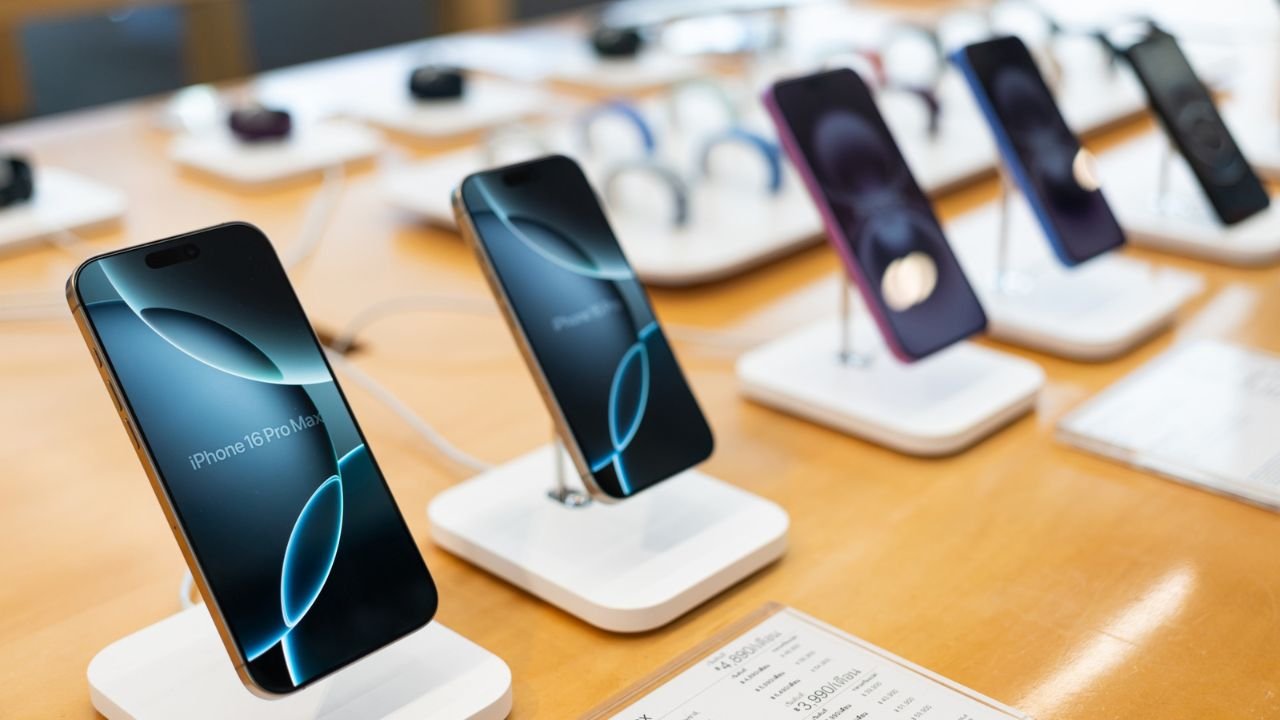
An iPhone is a smartphone designed and manufactured by Apple. It runs Apple’s operating system known as iOS.
Apple controls:
- Hardware
- Software
- Security
- Updates
- Ecosystem
This allows Apple to create a highly optimized experience.
What Is Android?
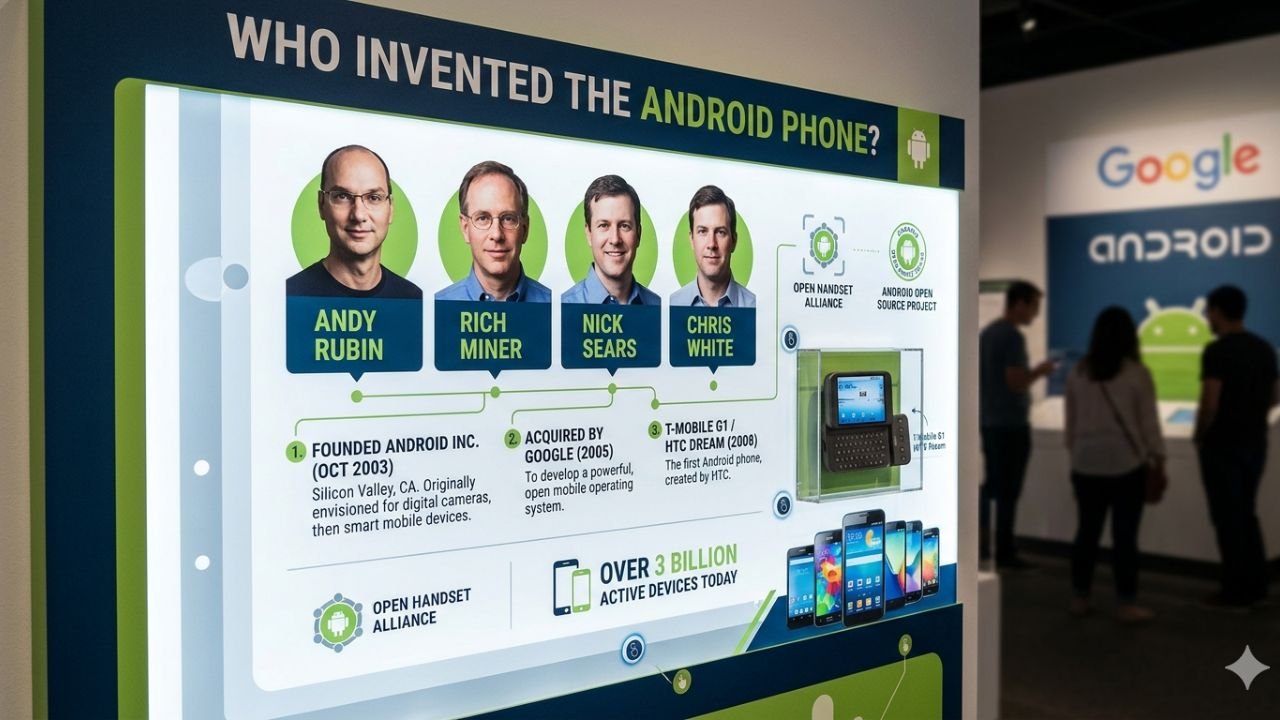
Android is an operating system developed by Google.
Many manufacturers use Android, including:
- Samsung
- OnePlus
- Xiaomi
- Vivo
- Oppo
- Motorola
Because many companies use Android, users get significantly more choices in terms of price, design, features, and innovation.
My Personal Experience Using Both Platforms
Having switched between Android and iPhone multiple times, I noticed that each platform excels in different areas.
When I moved from Android to iPhone, the biggest improvement I noticed was consistency. Apps felt polished, animations were smoother, and software updates arrived immediately.
However, after returning to Android, I appreciated the freedom Android provides. I could customize nearly everything, install alternative applications, use split-screen multitasking, and access advanced settings unavailable on iOS.
In real-world usage, neither platform felt dramatically better. Instead, each offered unique advantages depending on what I needed at the time.
This is why the iPhone vs Android comparison should focus on your usage requirements rather than marketing claims.
iPhone vs Android Comparison Table
| Feature | iPhone | Android |
|---|---|---|
| Operating System | iOS | Android |
| Customization | Limited | Extensive |
| App Quality | Excellent | Excellent |
| Software Updates | 5–7+ years | Varies by brand |
| Privacy | Strong | Good |
| Device Variety | Limited | Huge selection |
| Price Options | Premium-focused | Budget to flagship |
| Ecosystem | Excellent | Improving |
| Gaming | Excellent | Excellent |
| File Management | Restricted | Flexible |
Design and Build Quality
Premium iPhones consistently deliver exceptional build quality.
Apple focuses on:
- Aluminum frames
- Ceramic Shield protection
- Consistent design language
- Premium materials
Android manufacturers offer wider variety.
For example:
- Foldable phones
- Gaming phones
- Rugged phones
- Compact devices
- Ultra-premium flagships
In terms of innovation, Android often introduces new hardware features years before Apple adopts them.
Winner: Android for variety, iPhone for consistency.
Performance and Speed
One area where Apple traditionally dominates is processing power.
Apple’s A-series chips deliver:
- Faster single-core performance
- Better efficiency
- Longer lifespan
- Superior app optimization
Even older iPhones remain fast for years.
Android flagship processors have improved dramatically, but optimization differs among manufacturers.
For everyday tasks such as:
- Social media
- Browsing
- Video streaming
- Messaging
Most users will not notice a major difference.
Winner: iPhone.
Software Experience
Software experience is one of the biggest factors in the iPhone vs Android discussion.
iPhone Advantages
- Consistent interface
- Smooth animations
- Long-term updates
- Better ecosystem integration
Android Advantages
- Greater flexibility
- Better customization
- More launcher options
- Advanced multitasking
Android allows users to personalize nearly every aspect of their smartphone experience.
Winner: Depends on preference.
Camera Comparison
Modern smartphone cameras are excellent regardless of platform.
iPhone Camera Strengths
- Natural colors
- Reliable video recording
- Consistent image quality
- Social media optimization
Android Camera Strengths
- More camera hardware options
- Advanced zoom systems
- Higher megapixel sensors
- Greater photography flexibility
Google Pixel devices excel in computational photography, while Samsung dominates zoom photography.
For video creators, iPhone remains the safest choice.
Winner: Tie.
Battery Life and Charging
Battery performance depends on individual models rather than operating systems.
However:
iPhone Benefits
- Excellent optimization
- Reliable battery health management
Android Benefits
- Faster charging
- Larger batteries
- More charging technologies
Many Android phones charge fully in under 30 minutes, while iPhones generally charge slower.
Winner: Android.
Privacy and Security
Privacy is one area where Apple heavily differentiates itself.
Apple provides:
- App Tracking Transparency
- Strong permission controls
- On-device processing
- Enhanced privacy tools
Android has improved substantially but remains more open by design.
Users focused on privacy often prefer iPhone.
Winner: iPhone.
Customization and Personalization
This category strongly favors Android.
Android users can:
- Change launchers
- Install custom keyboards
- Use widgets extensively
- Modify home screens
- Access advanced settings
Apple has improved customization but still trails Android.
Winner: Android.
App Store and Application Quality
Both ecosystems offer millions of apps.
Many developers still launch premium applications on iOS first because iPhone users generally spend more on apps.
However, the difference has become smaller over time.
Winner: Slight edge to iPhone.
Gaming Experience
Mobile gaming has evolved significantly.
iPhones offer:
- Powerful chips
- Excellent optimization
- Consistent performance
Android offers:
- Gaming-focused devices
- High-refresh displays
- Advanced cooling systems
Serious gamers may prefer specialized Android gaming phones.
Winner: Tie.
Ecosystem Integration
Apple’s ecosystem remains one of its strongest advantages.
Features include:
- AirDrop
- iCloud
- Handoff
- Universal Clipboard
- Apple Watch integration
Everything works together seamlessly.
Android ecosystems vary depending on manufacturer.
Winner: iPhone.
Value for Money
This is where Android shines.
Android offers options for every budget:
- Under $150
- Mid-range
- Premium
- Ultra-flagship
Apple primarily competes in the premium segment.
Budget-conscious buyers often receive better specifications on Android.
Winner: Android.
Advantages of Mobile Phone Ecosystems
When discussing smartphones, it’s important to recognize the broader advantages of mobile phone technology.
Modern smartphones provide:
- Instant communication
- Mobile banking
- Online education
- Navigation
- Health tracking
- Productivity tools
- Entertainment
- Photography
Whether you choose Android or iPhone, today’s smartphones have become essential tools for work and daily life.
Which Is Better iPhone or Android?
The answer depends on your priorities.
Choose iPhone if you:
- Value privacy
- Want long software support
- Own other Apple devices
- Prefer simplicity
Choose Android if you:
- Want customization
- Need more hardware choices
- Prefer better value
- Enjoy advanced features
When people ask which is better iPhone or Android, the best answer is that both platforms excel in different scenarios.
Is iPhone Better Than Android?
Many consumers wonder, is iPhone better than Android?
Not necessarily.
iPhone is better in:
- Privacy
- Ecosystem integration
- Software consistency
- Long-term updates
Android is better in:
- Flexibility
- Customization
- Hardware variety
- Price options
Therefore, whether an iPhone is better than Android depends entirely on individual needs.
iPhone vs Android Comparison: Final Verdict
After years of using both platforms, my conclusion is simple. The modern iPhone vs Android comparison is no longer about which platform is superior. Instead, it’s about finding the platform that aligns with your lifestyle.
If you prefer a controlled, polished, and highly optimized experience, iPhone is likely the better option. If you want freedom, customization, innovation, and more choices at every price level, Android remains the strongest option. For most users in 2026, both platforms are excellent. The best smartphone is the one that fits your daily habits, budget, and long-term expectations.
Frequently Asked Questions
Q1. Which is better iPhone or Android for students?
Android often offers better value for students because of its wider range of affordable devices.
Q2. Is iPhone better than Android for photography?
Not always. Google Pixel and Samsung flagship phones compete closely with iPhone cameras.
Q3. Which platform is safer?
iPhone generally offers stronger privacy protections and security controls.
Q4. Can Android last as long as an iPhone?
Premium Android devices now receive longer update support and can easily last 4–7 years.
Q5. Is Android more customizable?
Yes. Android remains significantly more customizable than iOS.